
Beyond the Top-10 Hype: How Mid-Tier B-Schools Like ISB&M Pune Are Adapting to the New MBA Reality
Every admission season, headlines fixate on ₹35-lakh averages and rare ₹1-crore international offers from India’s top ten institutes. For the majority of management aspirants—those in the 65–85 percentile range evaluating programmes in the ₹12–16 lakh fee band—the decisive questions are more grounded: realistic return on investment, skill readiness for a shifting job market, and whether a campus can deliver consistent outcomes rather than outliers.
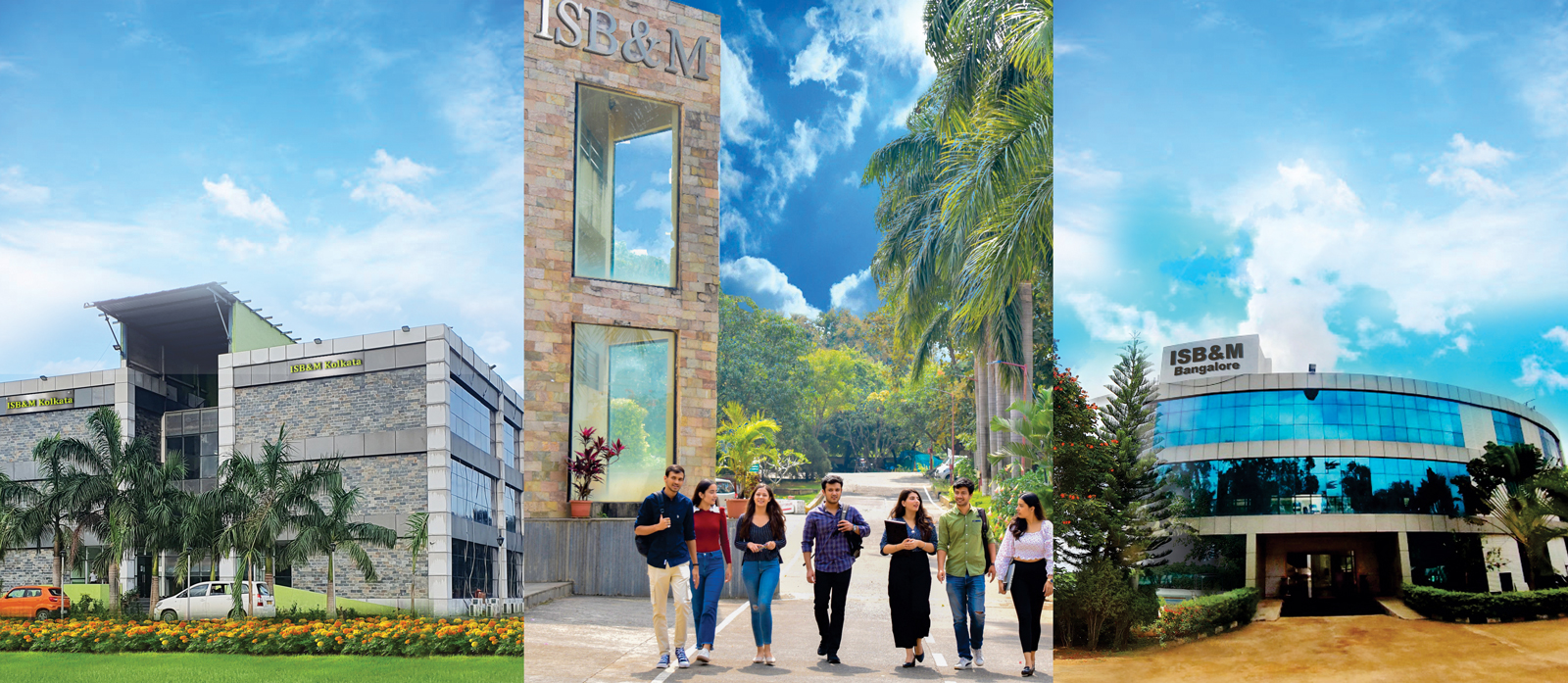
ISB&M Pune’s AICTE-approved PGDM at its Nande campus (the institute’s flagship, with 360 seats and dual-specialisation options) provides a useful case study of how established private mid-tier B-schools are recalibrating for the 2027–29 batch and beyond.
1. Doing the Real ROI Math: Medians, Total Cost, and Loan Realism
The total academic fee for the 2027–29 PGDM batch is ₹14.29 lakh. This breaks down as ₹13.60 lakh tuition plus a refundable caution deposit, placement fee (including GST), and alumni fee. Hostel and mess are extra—typically ₹1.6–2.4 lakh over two years depending on room type and current rates—so a realistic all-in cost for a residential student often lands in the ₹16–17.5 lakh range before personal expenses.
In the most recent reported cycle (Batch 2024–26 placements), ISB&M recorded an average CTC of ₹11.40 LPA, a median of ₹10.08 LPA, a highest of ₹20.56 LPA, and a floor of ₹8 LPA across roughly 360 placed students. The median-to-tuition ratio sits at about 0.71x. For an education-loan borrower, this supports manageable repayment over a 4–5 year horizon if expectations are anchored to post-tax take-home (roughly ₹55–65k monthly net on a ₹10 LPA package in many locations) rather than top-decile consulting or international offers.
The key shift for aspirants is moving from “highest package” headlines to batch-wide consistency and role quality. Mid-tier outcomes of this order have held relatively stable in recent years even as bulk IT hiring cooled.
2. Navigating the Shift from Bulk IT to BFSI, Consulting, and Diversified Hiring
Traditional IT services firms have scaled back generalist campus hiring. Campuses overly dependent on one sector have felt the pressure; those that diversified earlier have been more resilient.
ISB&M’s recent placement distribution shows BFSI at ~24%, Consulting at ~23%, IT/ITES at ~20%, and E-Commerce at ~12%, with smaller shares in FMCG/retail, media, and others. Recruiters include Deloitte, PwC, BNY, AllianceBernstein, major private banks, and various consulting and analytics players active in the Pune–Mumbai corridor. Candidates whose profiles align with financial analysis, risk/advisory work, B2B roles, or data-enabled functions tend to have clearer pathways. This mix reduces single-sector vulnerability compared with earlier eras dominated by large IT services recruiters.
3. Why Dual Specialisations and Practical Analytical Fluency Matter
Single-track generalist degrees have lost ground. ISB&M’s dual-specialisation model lets students pair core domains (Finance, Marketing, HR, Logistics & Supply Chain) with options such as Business Analytics. The analytics track includes exposure to tools and topics such as SQL, Python/R, machine learning concepts, and domain analytics (marketing, financial, supply chain).
Summer internships (typically 8–10 weeks) have seen average stipends around ₹40,000 per month in recent cycles, with higher outliers. Students who arrive with or quickly build fluency in Excel/advanced analytics, SQL, and applied generative AI tools convert internships into Pre-Placement Offers at higher rates than those relying primarily on classroom theory. The curriculum’s project, case, and dissertation components further reinforce application over pure theory. In a market where recruiters test for immediate usefulness, interdisciplinary combinations and tool fluency function as practical differentiators at the mid-tier level.
4. The Student-Driven Model—and a Realistic Campus Check
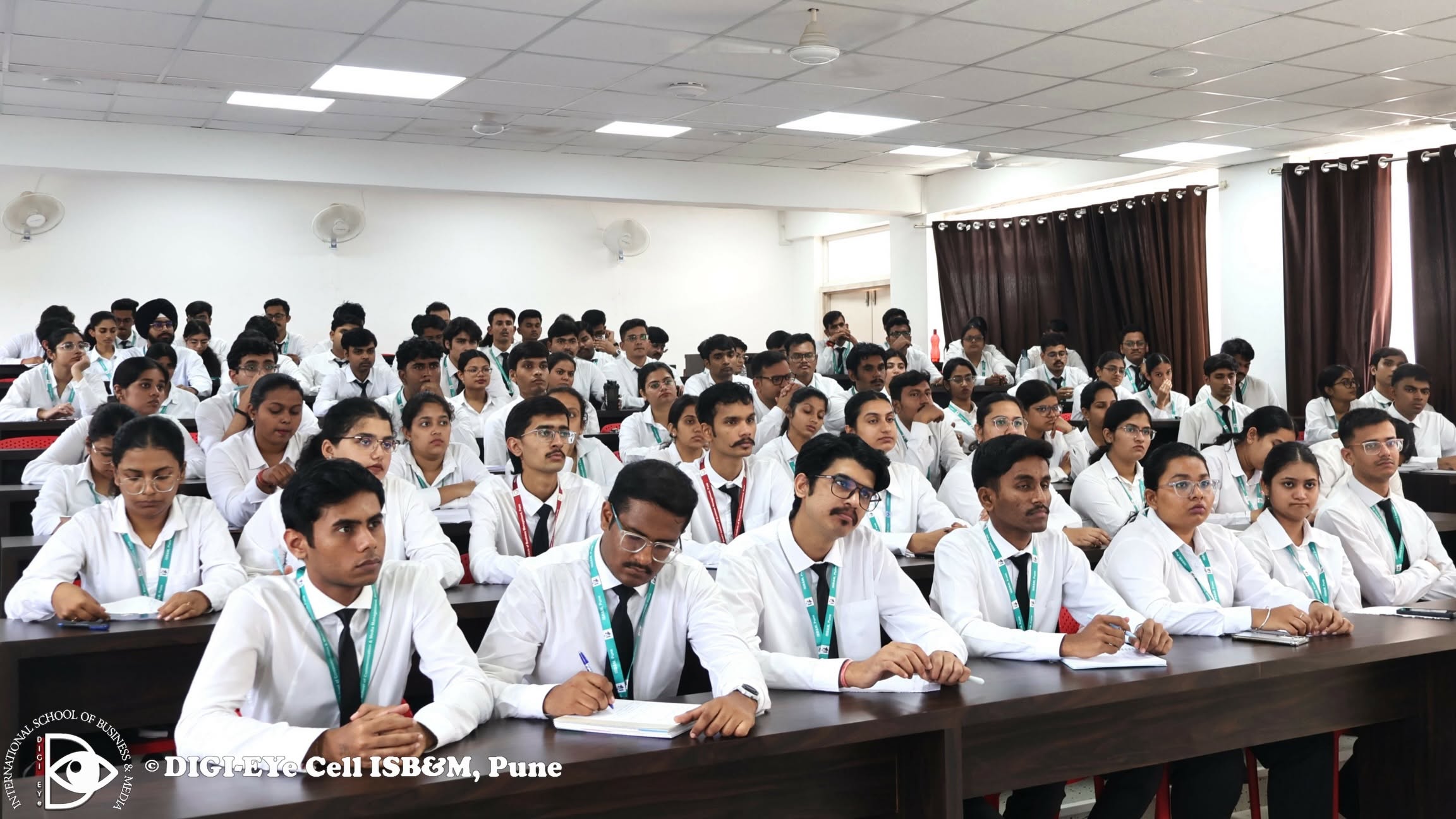
ISB&M operates with a strongly student-driven culture. Placement coordination (via the I-CARE cell), corporate interactions, conclaves, and media/activity cells are largely student-run. For self-starters, this functions as an early management laboratory—building ownership, networking habits, and execution skills before graduation. It suits candidates who take initiative rather than those expecting heavily faculty-administered support.
The Nande campus (roughly 17 acres on the Pashan-Sus road) offers academic infrastructure, Wi-Fi, labs, and residential options. Student feedback on hostel upkeep, mess consistency, and certain amenities is mixed—common across many private B-schools in this fee band. Academic access, corporate exposure, and the student-led environment generally receive stronger marks than residential facilities. Prospective students should visit or speak with current students to calibrate expectations on living experience versus career outcomes.
The Verdict for 2027 Aspirants
Mid-tier private B-schools are no longer passive stepping stones; the stronger ones function as execution-focused launchpads for candidates who treat the investment seriously. ISB&M Pune offers a structured, industry-connected path into BFSI, consulting, marketing, and related roles within the Pune–Mumbai ecosystem, with dual specialisation and analytics options that map to current recruiter demand.
Realistic filters for the 2027–29 batch:
- Solid scores in CAT, XAT, CMAT, MAT, or MAH-CET (plus profile factors such as academics and work experience, given the selection weightage that emphasises GD/PI and overall profile).
- Willingness to build hard analytical and tool skills from Day 1 rather than waiting for the curriculum.
- Clear-eyed view of total cost (academic + living) and the median outcome as the baseline for loan and career planning.
- Preference for a self-driven environment over highly regimented systems.
For aspirants who match these conditions and prioritise consistent mid-teens LPA outcomes with sector diversification over top-decile outliers, ISB&M represents one of the more coherent options in its fee and percentile bracket. As always, verify the latest official fee schedule, placement report, and curriculum details directly with the institute, and compare peer options on median outcomes, sector mix, and total cost of attendance.